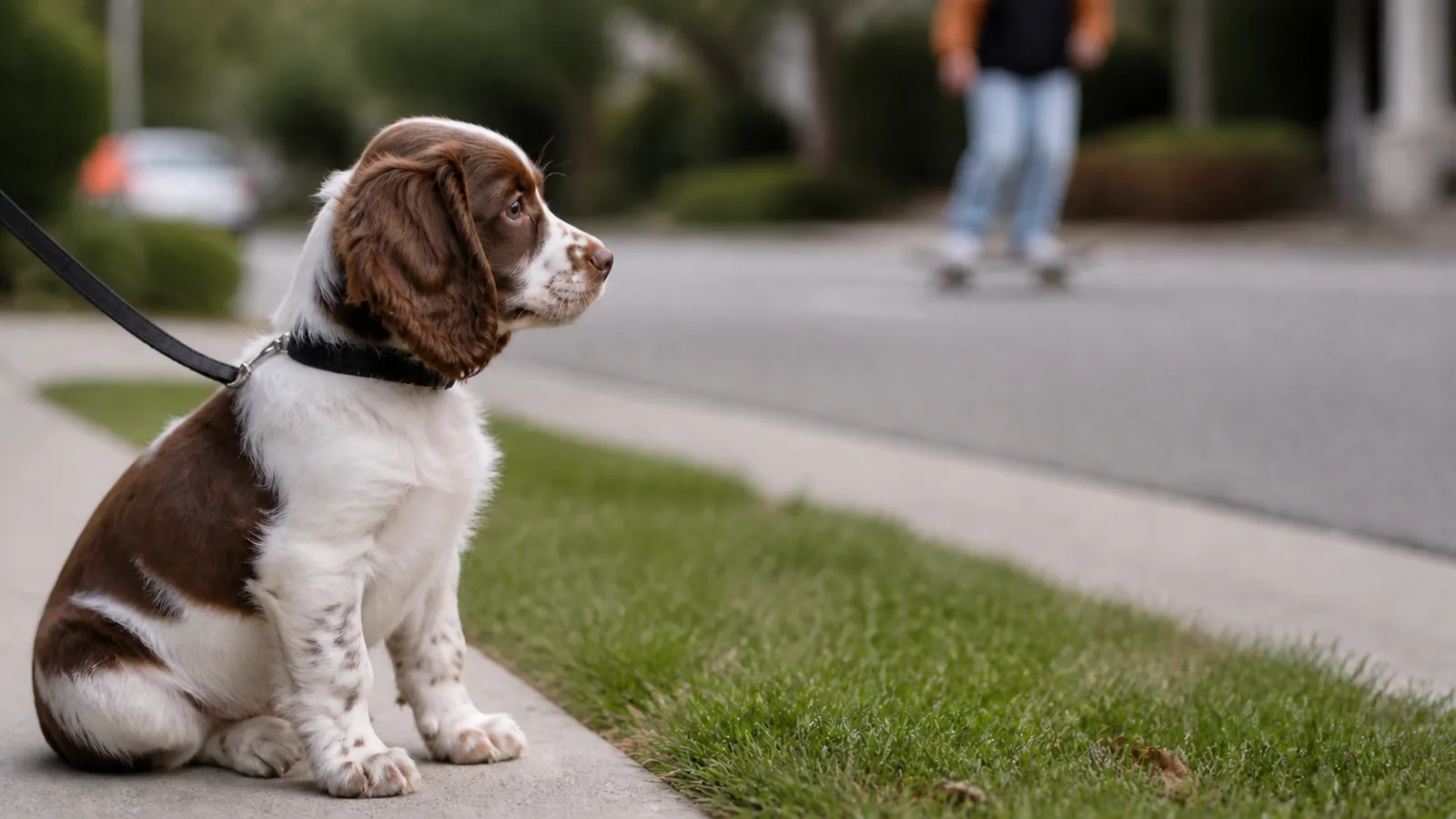
Socialization and training start the week your puppy or kitten comes home, not after the final vaccine booster. The window when they are naturally open to new people, sounds, surfaces, and handling starts closing around 12 weeks in puppies and even earlier in kittens, so waiting until the 16-week booster means missing most of it. That does not mean hauling an unvaccinated puppy to the dog park. It means controlled, positive exposure: known vaccinated dogs, calm visitors, car rides, nail trims, and a carrier that is just furniture with treats in it. Skip those weeks and the bill often comes due later as leash reactivity, storm panic, or a cat who vanishes every time the doorbell rings.
Animal Hospital Southwest is an AAHA-accredited practice in Fort Worth that sees puppies and kittens all week, plenty of them home from a local shelter or rescue with a rough start already behind them. At your first puppy or kitten wellness visit, we set the vaccine schedule and tell you exactly what your pet can safely meet, sniff, and climb on at each stage. We also work on the parts that make every future visit easier, including gentle handling, nail trims, and a carrier or leash plan you can practice at home. Even if your pet is past the socialization window, we can create a strategy with you to help make them a calm, confident adult. Book an appointment and our team will be here to answer all your questions.
What to Know About the Socialization Window
- Most of the window that shapes how your pet feels about strangers, noise, and handling has closed by twelve to fourteen weeks in puppies and earlier in kittens, well before the vaccine series wraps up.
- Safe early exposure means controlled, cheerful introductions with known vaccinated dogs and calm people at home, not a trip to the dog park.
- Reward-based methods and a predictable daily rhythm prevent far more fear than corrections ever repair, and punishing a growl deletes the warning without touching what caused it.
- When a pet who used to be fine suddenly isn't, that's a medical question first, since pain, hearing loss, and hormone shifts all show up as behavior.
What Does a Worried Puppy or Kitten Look Like?
Lip licking, yawning when nobody is sleepy, a head turned away, a body gone stiff and still, and that crescent of white at the corner of the eye are all stress signals that show up long before a growl does. Cats say the same thing with flattened ears and a tail that has stopped moving.
Fear climbs a ladder, and the bottom rungs are quiet. A puppy who turns their head away, or a kitten who suddenly finds the far corner of the room fascinating, has already said no once. Miss enough of those small refusals and the next rung is a snarl or a swat, because that's the message that finally worked.
| What you're watching | Comfortable | Worried |
| Dog's body | Loose, wiggly, weight even on all four feet | Stiff, crouched, weight shifted back, tail tucked |
| Dog's face | Soft eyes, open relaxed mouth, ears neutral | White of the eye showing, lips flicking, mouth clamped shut |
| Cat's ears and tail | Ears forward, tail up with a soft hook at the top | Ears swiveled back or flat, tail low and rigid or thrashing |
| Either species | Takes food gently, chooses to come closer | Won't eat, hides, freezes, looks for an exit |
Never punish a growl or a hiss. It feels like teaching manners, and what it teaches instead is that the warning system gets you in trouble, so the next stranger gets a bite with no preamble. Step back, work out what was too much, and make the next round easier.
Fear, pain, and ordinary adolescent weirdness can look alike from across the room. Take video on your phone when something seems off and bring it to your next appointment, since our veterinary team can tell you when a behavior question has a medical answer underneath it.
Why Do the First Few Weeks Home Matter So Much?
The socialization window opens around three weeks of age and starts closing between twelve and fourteen weeks in puppies, closer to seven in kittens. Whatever they meet and enjoy in there gets filed as normal.
What gets built isn't a list of familiar objects. It's a general expectation that new things are probably fine, which is why a well-started dog handles a strange situation at six years old better than a sheltered one handles a familiar one. Confidence spreads. So does fear.
Good socialization isn't a checklist speed run, either. Ten calm, happy introductions beat fifty overwhelming ones. End every session while your pet still wants more. Aim for variety across these categories:
- People: Kids, men with beards, hats, wheelchairs, delivery uniforms. Different shapes and voices, all of them tossing treats instead of looming.
- Animals: Known, vaccinated, patient adult dogs and cats. Not a free-for-all with strangers.
- Surfaces and spaces: Tile, grass, metal grates, stairs, wobbly footing, the car, the bathtub.
- Sounds: Vacuum, doorbell, dishwasher, thunder and fireworks recordings played low.
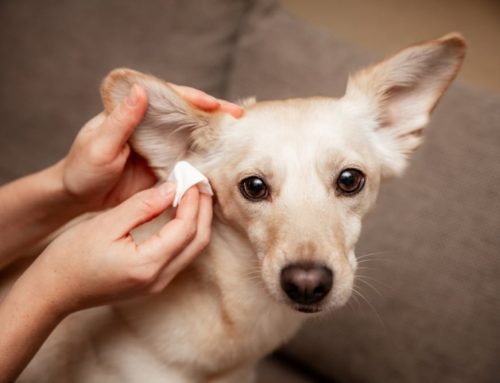
- Handling: Paws, ears, mouth, nails, brushing, and the collar grab.
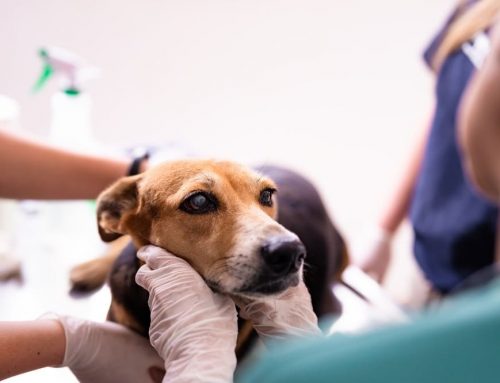
- Vet-type moments: Standing on a scale, lying on their side, someone leaning over with a stethoscope.
Kittens do nearly all of this at home. Their window shuts so early that the work that counts happens in your living room, with visitors and patient handling.
How Do You Socialize Safely Before the Vaccine Series Is Finished?
Early exposure belongs on ground you control: your living room, a friend's fully vaccinated adult dog, a class that checks vaccine records at the door, and your own arms for a tour of the neighborhood.
Puppy Classes
Puppy classes can start as early as seven or eight weeks, once a first vaccine and deworming are at least a week behind them, because behavior problems end far more young dogs' lives than parvo ever will. Keeping the puppy and kitten vaccine series on schedule is what makes that possible. Public dirt is the part to avoid, since the virus lingers there long after the dog who shed it has moved on.
Carriers and Leashes
Carrier training goes best when the carrier lives out in the open all year with a bed inside and a treat dropped in now and then, instead of appearing from the closet ten minutes before a car ride. Feed meals in there. The goal is a cat who naps in it on a random Tuesday.
Loose-leash walking works on the same logic. Pay your puppy for being beside you, stop moving the second the leash goes tight, and start again when it slackens. Puppies pull because pulling gets them places, so make it stop working while they still weigh fifteen pounds. Start practicing in boring places like your living room so the foundation is established before they see their first squirrel at the park.
Bikes, Skateboards, and Other Fast Movers
Cyclists, skateboards, strollers, and scooters all set off the same chase-or-flee reflex in a dog who has never seen one. A bench well back from a Trinity trail will supply every version in a single afternoon. Feed your puppy each time something rolls past, and let distance do the heavy lifting. Adult dogs who lunge at bikes are the ones who usually met their first one up close with no warning and nowhere to go.
Does the Way You Train Change Whether Your Pet Gets Anxious?
Reward-based training works because a puppy or kitten who gets paid for offering a behavior stays willing to keep offering behaviors, while leash corrections and startling noises teach a young animal that hands and voices predict something unpleasant. Method isn't a matter of taste here. It shows up in the adult.
| Approach | What your pet learns | What it costs later |
| Paying for the behavior you want | Trying things works out well, and people are safe to be near | A bag of treats and some patience |
| Corrections, startling noises, forced handling | The behavior stops while you're watching, and hands are unpredictable | More fear, faster escalation, and a pet who stops warning you first |
Never force a frightened puppy or kitten to hold still and take it. Holding a scared pet in front of the thing that scares them, whether that's the vacuum, a stranger, or a nail trimmer, makes the fear bigger rather than teaching them it was fine all along. Back up until they can eat, and go from there.
Predictability does quiet work alongside all of it. Cats in particular run on rhythm, and a household schedule that shifts daily keeps them mildly braced all the time. When life changes, and it will, hold whatever pieces you can: same meal times, same litter box locations, same napping furniture.
How Do You Keep Vet Visits and Grooming from Getting Scary?
Touching a puppy's paws, ears, and mouth for a few seconds at a time and paying for it with a treat is cooperative care, and it changes an exam from something done to your pet into something your pet takes part in willingly. Kittens need the same rehearsal, plus a carrier that's already old news.
The sessions are short. Thirty seconds, twice a day. Hold a paw for two beats, treat. Trim one nail and quit, which feels like stopping too soon and is exactly right. A puppy who can hold still for a paw on your kitchen floor doesn't need three people and a towel in our exam room, and a cat who rides calmly arrives with a heart rate we can trust.
That rehearsal travels. Pets who have practiced handling settle faster for grooming than pets meeting a clipper cold, and they bounce back quicker afterward. It also saves you money in the long run; a pet who doesn’t need to be sedated for a basic exam or nail trim is a pet who doesn’t need the extra time, pre-anesthetic bloodwork, and medication costs.
Which Anxiety Problems Can You Head Off Early?
Leash reactivity, resource guarding, separation anxiety, noise fear, and tension between housemates are the ones we see most, and each has an early version that's far easier to change. Catching it in a puppy or kitten usually means short, dull practice sessions. Catching it at three years old usually means months of work.
Reactivity. A dog lunging and barking at the end of the leash looks like aggression, but reactive behavior is usually fear with the volume turned up, made worse by a leash that takes away the option of leaving. The early fix is unglamorous: at a distance where your dog can still eat, mark the second they notice the trigger, then pay them for turning back to you.
Resource guarding. The trade game teaches a puppy that a hand reaching toward the good thing means something better is on its way, which is the exact opposite of the lesson taught by pulling food out of the bowl to prove you can. Walk by, drop something excellent in, keep walking. Swap a chew for chicken, then hand the chew back.
Separation anxiety. Pacing, howling, chewed door frames, and puddles from a dog who's been house-trained for months point to separation anxiety rather than spite or boredom, especially when all of it starts within the first twenty minutes alone. Prevention means practicing absence before it's required: step out of the room for ten seconds while your puppy works on a stuffed toy, and come back before the worry starts.
Noise aversion. A dog who wedges himself behind the toilet during a Texas thunderstorm and one who claws through a door are both showing noise aversion, and it usually gets worse with every storm season that goes unaddressed. Storm and fireworks recordings played softly at dinner, nudged up a notch each week, build tolerance ahead of time. If a storm ends with torn nails or a bloodied nose, call us and come in for urgent care during our open hours, because the fear has outgrown what home management can hold.
Friction between housemates. Most tension between cats and dogs comes down to competition over litter boxes, food bowls, toys, and resting spots, so the fix is usually one of each resource per pet plus one spare, spread out across the house. Feed in separate rooms, give cats high shelves and a clear escape route, and supervise and separate when playing with new toys.
Fear that's already severe is not a training failure, and it isn't something to wait out. A dog who panics through every storm, a cat who has stopped using the box, or a puppy whose reactivity is escalating month over month all do better when a veterinarian is part of the plan, and anti-anxiety medication alongside behavior work is sometimes what makes the training possible in the first place.
Is Your Pet Anxious, or Just Bored?
Boredom and anxiety look nearly identical from the couch cushions. A dog who shreds throw pillows and a cat who takes down the curtains at midnight are often reporting the same problem, which is a day with nothing in it worth doing. Enrichment is usually the cheapest place to start.
- For dogs: A sniff walk, where your dog picks the route and the pace, drains more energy than a brisk mile on a tight leash. Frozen food puzzles, a snuffle mat, and a muffin tin with tennis balls over the kibble all work.
- For cats: Cat enrichment mostly means giving a small predator something to climb, something to stalk, and a puzzle feeder to work for, because a cat with nowhere to aim hunting behavior will aim it at your ankles at 3 a.m. Tall scratching posts next to the furniture they already target, shelves near a window, and a screened catio for supervised outside time cover most of the rest.
When routine and enrichment aren't quite enough, calming supplements and pheromone products can soften the background stress while the training carries the load. Talk with us before you start one, since the shelf is crowded with products that do very little.
Could a Sudden Behavior Change Be Medical?
A pet who was doing fine a month ago and is now hiding, snapping, or missing the litter box needs an exam before any training plan. Pain, thyroid and other hormone shifts, hearing or vision loss, and neurologic change all announce themselves as behavior first, and no amount of counterconditioning fixes a sore hip.
Our in-house diagnostics answer a lot of that in a single visit, and a careful look inside the ears often explains a dog who suddenly hates being touched around the head.
Frequently Asked Questions About Puppy and Kitten Socialization
My puppy is already six months old. Did I miss my chance?
The easy window has closed, but the door hasn't. Older puppies and adult dogs still learn, it just takes more repetitions, smaller steps, and better treats. The approach shifts from casual exposure to deliberate counterconditioning, where the scary thing predicts something wonderful at a distance your dog can handle. Progress is slower and completely real. Plenty of confident adult dogs started as six-month-olds who'd never left the yard.
Can I socialize a kitten who's never going outside?
Absolutely, and she needs it as much as any outdoor cat. Indoor cats still meet visitors, vacuum cleaners, carriers, car rides, nail trimmers, and our exam table. Invite people over while she's little, hand them treats, and let her approach on her own terms. Practice handling her paws and ears at home, feed her in the carrier, and take short car trips that end somewhere pleasant instead of only ending here.
What can I bring to a puppy or kitten visit to make it go better?
Come with a slightly hungry pet and something they'd sell you out for: canned cheese, boiled chicken, lickable treats. Bring the carrier they already nap in, and a towel that smells like home. We keep rooms quiet and hold to the handling and pain-management standards behind our AAHA accreditation, but the biggest variable is still what's in your pocket. Tell us at check-in if your pet is nervous so we can slow down.
Set Your Puppy or Kitten Up for an Easier Life
Every treat handed over during a nail trim, every calm car ride, every guest who tosses a snack instead of looming over the crate goes into an account your pet draws on for the next fifteen years. Building confidence is so much easier than rebuilding it after something has gone sideways. Schedule a wellness visit for your new puppy or kitten at Animal Hospital Southwest in Fort Worth and bring every question, including the ones you think are silly, while the world is still all first impressions. We’d love to help you make a plan to raise your puppy or kitten into a calm, confident adult.