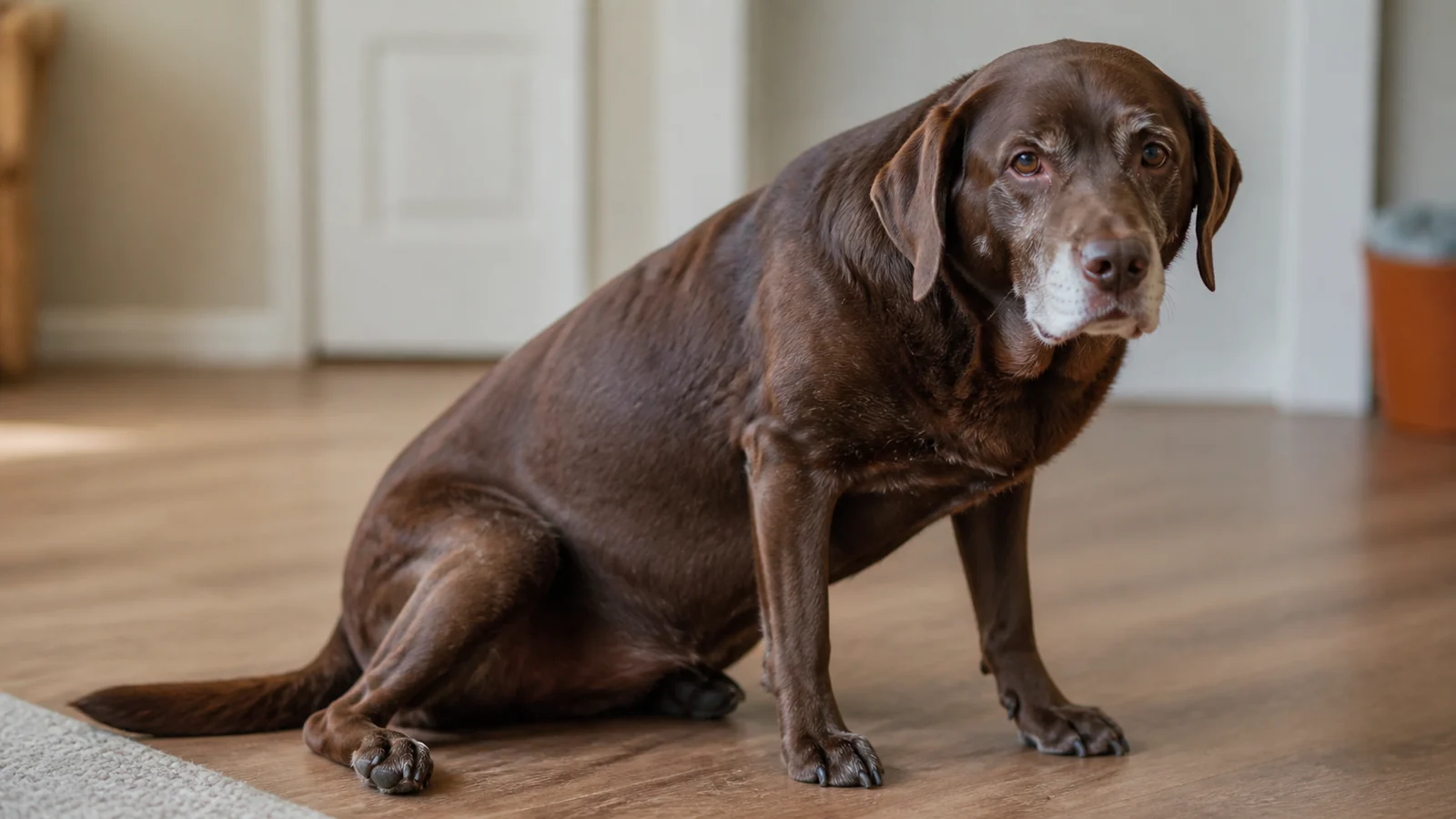
Mobility aids get a lot of senior pets walking comfortably again, and the one that helps yours comes down to what the back legs can still do, not to a number on the chart. If your dog or cat scrabbles for grip every time they cross the tile, the answer is usually traction and a few changes at home. If yours wobbles, tires fast, or needs a boost to get up, a support harness you can steady and lift with does more. When the rear end stops holding weight at all, a mobility cart gives back real independence.
Animal Hospital Southwest in Fort Worth treats a fading back end as a problem to work up, not a fact of getting old. We start with a hands-on exam and digital X-rays to see how the hips, knees, and spine look and narrow down the cause. Then, we treat what we find with pain control like monthly Librela injections for dogs or Solensia for cats and cold laser therapy. Our senior care visits are where we usually catch the first wobble, signs of arthritis, or loss of muscle mass, and where we have a conversation about what changes you can make at home to help your pet move more confidently. Book an appointment and we will find out what is slowing your pet down.
Matching the Aid to the Stage
- Slowing down is a signal, not a verdict, and the cause behind it is usually something we can treat.
- The right aid matches the stage: traction early, a support harness in the middle, wheels when the back legs give out.
- The condition underneath, whether that's arthritis, a disc problem, or a nerve disease, decides if the support is temporary or permanent.
- The device is one piece of the plan, and pain control, weight management, and rehabilitation do just as much of the work.
Is This Just Old Age, or Something We Can Treat?
Age isn't a diagnosis. The stiffness that families write off as old age is usually osteoarthritis in dogs and cats, a progressive joint disease that responds to treatment rather than something a pet simply has to live with. Naming the cause is what turns a slow fade into a plan.
Timing does a lot of the work here. Support that starts while your dog still has muscle and confidence prevents the falls, the sore compensating shoulders, and the slow shrinking of the world to one room. Wait until the struggle is obvious and you're rebuilding from a weaker starting point, with a pet who has already learned that the hallway is scary.
So the first move is never a product. It's an honest look at what changed and why, which is where the hands-on exam and digital radiographs separate a hip that needs pain control from a spine that needs something else entirely.
Which Mobility Changes Need a Vet Right Away?
Sudden paralysis, a rear paw that knuckles under and stays folded, or a back end that can't take any weight at all needs to be seen right away, not watched overnight. Those changes can mean an acute spinal event, where the window for the best outcome is short.
We see urgent and emergency care during our open hours, so call ahead and come straight in and we'll have a room ready. If the back end goes out after we've closed for the evening or over a weekend, the nearest veterinary ER is the right stop.
How Do a Senior Pet's Needs Change as Mobility Slips?
Mobility loss tends to move through recognizable stages, and the support that helps shifts along with it.
| Stage | What you'll notice | What usually helps |
| Early | Stiff after a nap, slipping on hard floors, slower up the stairs, skipping the jump onto the bed | Traction aids, home adjustments, joint support |
| Moderate | Needs a boost to get up, tires halfway through the usual walk, wobbles or crosses the back feet | Support harness, pain control, rehabilitation |
| Advanced | Can't reliably stand or push off with the rear legs | Mobility cart, full-body harness, close monitoring |
Pets don't read the chart, of course. Some skip a stage in a week, and some sit in the early column for years. The columns still help, because they separate what your pet needs this month from what's worth planning for next. Twice-yearly physical exams matter for exactly that reason: six months is plenty of time for a senior body to move a whole column over without anyone at home noticing the day it happened.
My Dog Is Slipping on the Floors. What Helps First?
Slipping on slick floors is usually a grip problem before it's a strength problem. The legs still work; the tile refuses to cooperate. Traction on the paws plus a few changes to how the house is laid out solves most of it, and it keeps your dog's confidence in one piece.
Rubber toe grips slide onto the nails and give a dog something to catch with on tile and hardwood, and they stay put without covering the paw pads the way a boot does. Traction booties are the better pick for concrete, wet grass, and gravel, or for a dog scuffing a nail down. Either one takes a few short, treat-heavy sessions before most dogs stop shaking the foot like it's on fire.
Runners over slick floors, a ramp at the back steps or up to the couch, raised food and water bowls, and orthopedic bedding are the arthritis-friendly changes at home that take the most strain out of an aging dog's day.
Why Would a Senior Cat Stop Jumping If Nothing Hurts?
Cats hide pain by quietly editing their habits instead of limping, so trouble shows up as a cat who stops jumping to the windowsill, takes the stairs one at a time, or hesitates at the edge of the litter box.
The sign families miss most often is the coat. When twisting to reach the lower back and hips gets painful, grooming there stops, and the fur along the spine goes dull, greasy, or matted. Add in new sleeping spots at ground level, a missed landing here and there, and a scratching post that hasn't been touched in months.
Those quiet shifts deserve the same workup a limping dog would get. Feline pain assessment leans hard on a careful history and a slow, patient exam, which is what our veterinary team takes the time for at Animal Hospital Southwest.
A litter box with a low entry, a step up to the favorite windowsill, and warm resting spots that don't require a jump are the home modifications for cats that do the most good, often long before any device is needed.
Which Support Harness Fits a Weak Back End?
Match the harness to where the weakness sits. A rear-end harness cradles the hips and puts a padded handle exactly where you need it, so you can take part of your dog's weight on stairs, curbs, and the first few steps after a nap.
Front-support styles do the same job at the other end, and they're the answer for a dog who's weak in the shoulders or down a front leg. When weakness shows up in more than one limb, a full-body support harness lifts the front and back end together and stays on between outings, which beats improvising with a collar and a bath towel.
Two smaller tools solve the dragging-foot problem that often rides along with a wobbly rear. Dogs that scuff or flip a rear paw under do better in knuckling socks, which cue the foot to land pad down and spare the top of the toes from wearing raw. Elastic support bands that run from a harness down to the hind feet work on the same idea, nudging placement with every stride while the muscles keep doing their share.
Fit beats brand every time. A harness that rubs an armpit, slides back over the hips, or hangs too low adds a new problem on top of the one you're solving, so book a fitting check and we'll size it, adjust it, and show you how to lift without wrecking your own back. Cats rarely tolerate this kind of gear, so feline support usually stays with ramps, steps, and better pain control.
When Does a Mobility Cart Make Sense?
Wheels come into the conversation when the back end stops holding weight and lifting alone can't get your dog through the day. Mobility carts for dogs carry the weight that rear legs can no longer push off with, and a well-fitted one turns a pet stuck on a bed into one who is back to sniffing the yard.
A cart isn't a last resort or a sign you've given up. It also isn't an all-day chair. Think of it as gear for outings: sniffing the fence line, going along on the walk, joining the family in the yard, then coming off for rest, meals, and naps.
Fit is a medical detail here, not a comfort preference. A frame that sits wrong puts steady pressure on the same patch of skin, and pressure sores are far easier to prevent than to heal. The same goes for a dog spending much of the day down: a pet who can't stand may not empty their bladder fully or stay dry, so ask us to check bladder function and show you how to keep the skin clean, because urine scald and sores start fast on damp bedding. Plan on a week or two of short, cheerful sessions while your dog figures out that the thing behind them isn’t scary, and check the skin under every strap daily. Plenty of senior dogs stay active for years this way.
Not sure whether wheels are the right call yet? Get in touch and we'll look at rear-leg strength, front-end soundness, and whether the underlying disease is likely to progress before anyone measures for a frame.
What's Behind the Weakness, and Does It Change the Plan?
The diagnosis tells you whether support is a bridge or a permanent fixture. A dog recovering from a disc injury may need a harness for a few weeks. A dog with a progressive nerve disease will need more help as time goes on, not less. Same equipment, completely different plan.
| The condition | What support usually looks like |
| Arthritis | A harness smooths the hard transitions while pain control, weight management, and cold laser therapy work on the joint itself |
| Disc disease | Strict rest and a rear harness for several weeks, with many dogs walking again as the cord recovers |
| Degenerative myelopathy | Support that climbs over months, from traction aids to a harness to wheels |
| Hip dysplasia | A harness for stairs and car rides; advanced hip procedures go to a board-certified surgeon at a specialty hospital, and we set up that referral for you |
| After an amputation | Most adapt within weeks; a few need a handle on stairs and slick floors for good |
How we assess and treat pain sits inside the nearly 900 standards of veterinary care our AAHA accreditation holds us to, whichever of these turns out to be the answer.
What Else Belongs in the Plan Besides the Gear?
The device handles the mechanics, not the disease underneath. Pain control, weight management, and targeted exercise do that job, and most families notice a bigger change from those three than from anything they strap on.
- Pain control: Anti-inflammatories, gabapentin, and other medications matched to the cause make up the backbone, and bloodwork before we start a long-term anti-inflammatory tells us the kidneys and liver are ready for it. Monthly monoclonal antibody injections, such as Librela for dogs and Solensia for cats, interrupt an arthritis pain signal before it reaches the brain. Never reach for human pain relievers: ibuprofen and naproxen cause ulcers and kidney damage in dogs, and a single acetaminophen tablet can kill a cat.
- Weight: Every extra pound rides on joints that are already struggling, and trimming a senior dog down a notch often outperforms any single product on this page.
- Supplements: Joint supplements and omega fatty acids have a place for many pets, though they work best alongside real pain medication rather than in place of it.
- Strength work: Targeted strength and balance work through veterinary physical rehabilitation builds the muscle that holds a weak joint steady. We provide rehabilitation here, so the exercises get taught in person and adjusted as your pet changes.
Senior bodies shift over months, not years. Wellness rechecks keep the plan matched to the pet in front of us, because the dose, the exercises, and the equipment that fit in March are often the wrong ones by August.
Frequently Asked Questions About Harnesses and Carts
How long does it take a dog to get used to a harness or a cart?
Most dogs accept a harness within a few days, since it's just something to wear. A cart takes longer, usually one to two weeks of short sessions with treats and a familiar route. Keep the first outings under ten minutes, end while your dog is still having a good time, and don't leave them in it unsupervised. Dogs who fight it at first almost always come around once they connect the wheels with going outside.
Will using a harness make my dog's back legs weaker?
Used correctly, a harness does the opposite. The idea is assistance, not carrying: you take just enough weight for your dog to keep placing their own feet, which keeps the muscles firing. Weakness comes from a pet who stops moving because getting up is too hard, not from a well-fitted lift handle. Combine the harness with the strength exercises we prescribe and most pets hold their muscle longer than they would without it.
Can I just use a towel or a sling instead of buying a harness?
A towel under the belly works fine in an emergency and for a quick trip outside. For daily use it slips, bunches, and puts pressure right where your dog's abdomen doesn't want it, and it gives you nothing to hold that won't slide. A real harness spreads the load across the hips or chest and stays where you put it. A towel bridges the gap between products, but it isn't the long-term answer.
Give Your Senior Pet an Easier Way to Get Around
A pet who's slowing down doesn't have to become a pet who stops. The right support for the right stage, paired with real pain control and a plan that adjusts as things change, buys back the ordinary good days: the trip down the driveway, the spot in the sun, the walk to the mailbox that was starting to feel out of reach.
If your dog or cat has begun slipping, hesitating at the stairs, or waiting for a boost, that's worth a conversation. Our geriatric care visits at Animal Hospital Southwest in Fort Worth are built around exactly this question. Reach out and let's find out what changed and what will help.